
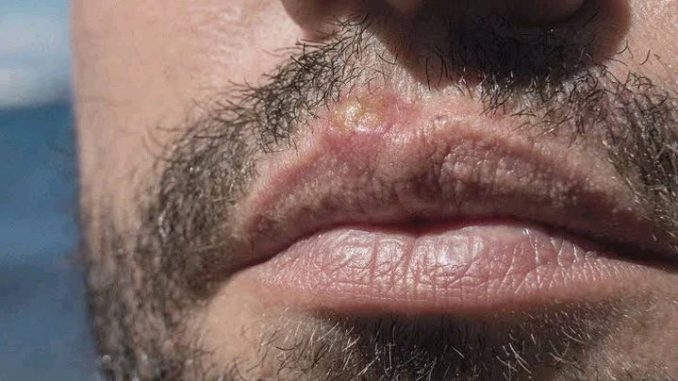
Your lips are delicate and sensitive. So when you suddenly notice a painful blister, bump, or sore on or around your lips, it’s easy to panic — especially if it burns, itches, or refuses to go away quickly.
Lip blisters aren’t just caused by heat or dryness — sometimes, they can be a sign of an underlying medical condition.
Here are 5 common medical reasons why you may be getting blisters on your lips:
1. Cold Sores (Herpes Simplex Virus)
This is the most common cause of lip blisters. Cold sores are small, fluid-filled blisters caused by the Herpes Simplex Virus (HSV-1). They often appear along the edges of the lips and can be painful, itchy, or tingly even before the blister shows.
Cold sores are highly contagious, often triggered by stress, fever, sun exposure, or a weak immune system. They typically heal within 7–10 days but can return from time to time.
2. Allergic Reactions
If you’re allergic to certain foods, lip care products (lipstick, lip balm, toothpaste), or medications, your lips can react by forming small itchy bumps or blisters.
These reactions usually happen shortly after contact. If the blister comes with itching, swelling, or burning, try to recall what new product you recently used.
3. Hand-Foot-and-Mouth Disease (in Children and Adults)
It’s not just for kids — adults can get it too. This viral infection causes blisters on the lips, inside the mouth, and sometimes on the hands or feet. It’s caused by coxsackievirus and spreads easily.
If the lip blister comes with fever, body aches, sore throat, and rashes elsewhere, it’s likely viral and contagious — so avoid close contact until it clears.
4. Vitamin Deficiencies (Especially B Vitamins or Iron)
A lack of key nutrients — especially vitamin B12, folate, or iron — can weaken skin and immune function, making your lips more likely to crack, blister, or become sore.
Blisters caused by deficiencies often appear with other symptoms like fatigue, mouth sores, pale skin, or dizziness. A blood test can confirm it.
5. Sunburn or Heat Blisters
Too much exposure to sun, heat, or dryness can damage the sensitive skin on your lips — leading to red, swollen, or blistered areas. People who work outdoors or stay under direct sunlight often experience this.
Sunburn blisters happen when your skin forms fluid-filled bubbles to protect deeper layers. Prevention is key: protect your lips using SPF lip balm when you’re out.
Leave a Reply