
Health experts, including the World Health Organization (WHO), continue to warn against the risks of consuming too much salt. Yet, many people still load everyday meals with far more salt than the body actually needs.
Too much salt in your diet can raise your blood pressure, increase your risk of heart disease, and stress your kidney function over time. The truth is, not all foods need added salt to taste good — and removing or reducing it in certain dishes is a simple yet powerful way to improve your overall health.
Here are five popular foods you should stop cooking with salt to stay healthy:
1. Potatoes
Potatoes are naturally flavorful, especially when fresh. Whether you’re boiling, mashing, or roasting them, try skipping the added salt. Potatoes already contain a bit of sodium, and when you add salt during or after cooking, it quickly increases your intake.
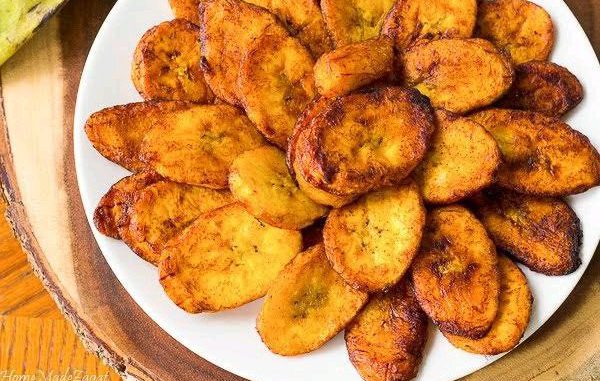
2. Plantains
Many people sprinkle salt on plantains before frying or boiling them, but it’s not really necessary. Ripe plantains are already sweet and tasty on their own, and green ones can be enjoyed with spices instead of salt.
3. Yams
Yams, like potatoes and plantains, are starchy and filling — but adding salt during cooking or frying only adds extra strain to your cardiovascular system.
4. Rice
Rice is a staple in many households and is usually cooked with added salt. But good news — you don’t need salt to make rice taste good. Too much sodium, especially when paired with high-carb meals like white rice, can lead to long-term health problems.
5. Corn (Boiled or Roasted)
In cultures where corn is boiled or grilled, salt is often added to boost its natural flavor. But corn tastes great on its own — especially when it’s fresh and sweet.
Health risks: Regularly adding salt to corn can have a negative impact on your kidneys and liver, particularly for people with existing health conditions like hypertension.
Leave a Reply