
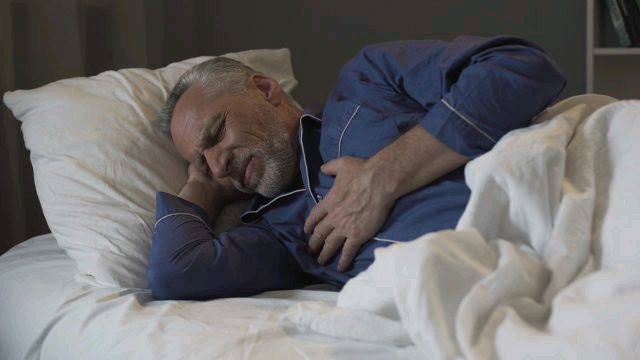
Sleeping on your side is one of the most common sleep positions — and many believe that sleeping on the left side is especially good for digestion and heart health.
But while it has its benefits, this position may not be for everyone.
Surprisingly, sleeping on your left side can have some side effects, especially if you already have certain health conditions or sleep issues.
Here are 6 possible side effects of sleeping on the left side, and how it may affect your heart:
1. It Can Put Pressure on the Heart
When you lie on your left side, your heart may shift slightly and work against gravity. Some experts believe this can create a bit more pressure on the heart, especially if you already have a heart condition.
People with heart failure or chronic heart issues may feel discomfort, chest tightness, or notice irregular beats while lying on the left side.
2. May Trigger Heart Palpitations
If you sometimes feel your heart “racing” or fluttering at night, your sleep position may play a role.
Sleeping on the left side can affect how the heart sits in the chest cavity and can slightly increase awareness of your heartbeat (especially if your heart is under stress).
For some people, this can lead to anxiety, shallow sleep, or waking up often at night.
3. Discomfort for People with Acid Reflux
While left-side sleeping is generally recommended for acid reflux, it doesn’t work for everyone. Some people actually feel worse in this position if their body reacts differently or if meals are too heavy before bed.
Acid can rise during the night no matter your position, especially if your digestive system is overloaded — causing sleep disturbance, irritation, and even heart strain.
4. Can Affect Blood Flow (Temporary Numbness)
Lying on one side for too long — especially the left — can compress blood vessels in the shoulder or arm. This can lead to numbness, tingling, or pins and needles.
Restricted blood flow may not directly harm the heart, but poor circulation and discomfort during sleep can reduce sleep quality, which does affect heart health over time.
5. May Strain the Lungs and Chest in Some People
Those with lung issues or asthma may experience pressure or tightness on the chest when sleeping on their left side, especially if the left lung is already weakened.
Less oxygen during sleep puts extra work on the heart and organs. Shallow breathing at night is linked to increased heart stress over time.
6. It Can Worsen Certain Sleep Disorders
People with sleep apnea or snoring might find that side-sleeping (especially on the left) doesn’t give them the best airway support — depending on how their body is positioned.
Interrupted breathing in sleep can lead to low oxygen levels, high blood pressure, and an increased risk of heart problems.
Leave a Reply