
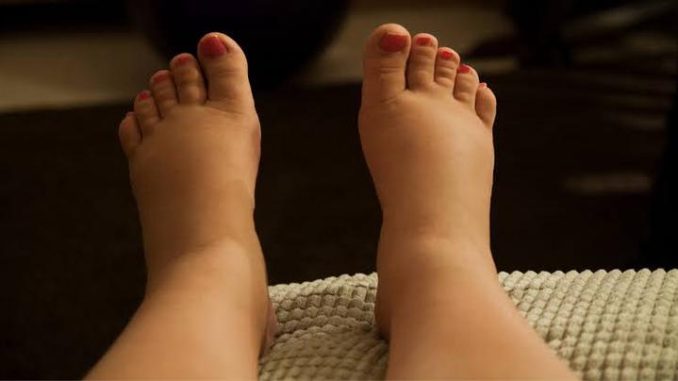
Swollen legs and feet are a common issue that can affect people of all ages. It’s usually caused by a buildup of fluid in the tissues, leading to puffiness, heaviness, or discomfort in the lower limbs.
This condition can result from several things—ranging from harmless lifestyle habits to more serious medical conditions. The good news is, many of the causes can be treated or managed at home once you understand what’s behind the swelling.
Here are seven common causes of swollen legs and feet and some helpful ways to handle each one.
1. Edema
Edema is a condition where fluid collects in your tissues, leading to swelling in different parts of the body—especially the legs and feet. It might be caused by health issues such as heart failure, kidney disease, liver problems, or even long periods of standing or sitting.
What to do:
Treating edema starts with finding out what’s causing it. Your doctor might recommend medications to help remove excess fluid, suggest changes in diet (like lowering salt), encourage more movement, or advise using compression stockings.
2. Poor Blood Flow (Venous Insufficiency)
When the veins in your legs can’t push blood back up to your heart properly, it can cause fluid to collect in your lower limbs. This is especially common in people who are overweight or sit or stand for long hours.
What to do:
Stay active, elevate your legs when sitting, and wear compression socks to help blood flow. Managing your weight can also reduce the strain on your veins. In serious cases, doctors may suggest medical treatments or surgery.
3. Lymphedema
Your lymphatic system helps clear waste and fluid from the body. When it’s blocked or damaged—because of infections, surgeries, or cancer treatment—fluid can build up and cause swelling, especially in one leg.
What to do:
Treatment may include lymphatic massage, special exercises, compression garments, or therapy to help promote drainage. If severe, surgery may be needed to relieve the buildup.
4. Pregnancy
It’s very common for pregnant women to experience swelling in the legs and feet, especially in the later months. This is due to increased pressure on the veins and hormonal changes that cause the body to hold on to more fluid.
What to do:
Avoid standing or sitting for long periods, keep your feet elevated when resting, stay hydrated, wear comfortable shoes, and try gentle activities like walking or swimming to improve circulation.
5. Injuries
Accidents like sprained ankles, muscle strains, or even fractures can cause localized swelling as your body responds to the injury.
What to do:
Use the RICE method—Rest, Ice, Compression, and Elevation. Avoid putting pressure on the injured area and see a healthcare provider if the swelling doesn’t go down or if the pain increases.
6. Medications
Some medications, such as those for high blood pressure, anti-inflammatory drugs (NSAIDs), steroids, and hormone treatments, can cause the legs and feet to swell as a side effect.
What to do:
If you notice swelling after starting a new medication, talk to your doctor. They may adjust your dosage or switch your prescription. In the meantime, reduce salt intake, stay active, and consider wearing compression socks to ease the swelling.
7. Being Overweight or Inactive
Carrying excess body weight or living a sedentary lifestyle can also lead to swelling in the legs and feet. This is because extra body weight puts more pressure on your veins, while lack of movement slows down circulation.
What to do:
Losing weight if needed, staying physically active, and avoiding long hours of sitting or standing can make a big difference. Simple activities like walking or leg stretches can improve blood flow and reduce fluid buildup.
Leave a Reply