
The Independent National Electoral Commission, INEC, on Tuesday said it will deploy intelligence gathering to identify and arrest individuals involved in vote buying ahead of the 2027 general elections.
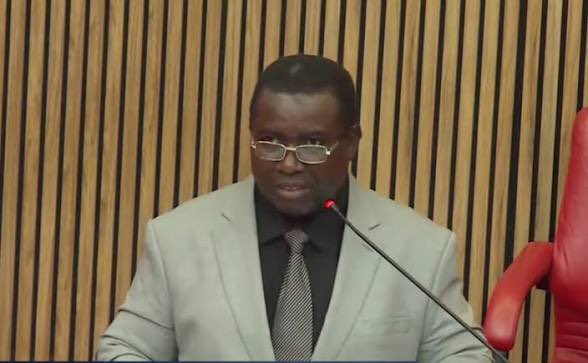
INEC Chairman, Prof. Joash Amupitan, stated this in Abuja during a stakeholder meeting with civil society groups and security agencies on electoral reforms.
“According to the INEC Chairman, vote buying has become one of the biggest threats to credible elections in Nigeria. In 2027, we will activate intelligence to fish out those buying votes and those selling their votes,” Amupitan said.
He added that the Commission is working with the Economic and Financial Crimes Commission, EFCC, the Nigeria Police Force and other security agencies to monitor financial transactions and campaign activities during the election period.
Prof. Amupitan also disclosed that INEC will strengthen the use of technology, including the Bimodal Voter Accreditation System, BVAS, and the INEC Result Viewing Portal, IReV, to ensure transparency in voting and result collation.
The INEC Chairman urged political parties and candidates to play by the rules, noting that electoral offences will be prosecuted without fear or favour.
Civil society groups at the meeting commended INEC for the plan but called for early sensitization of voters and adequate funding to enable the Commission to deliver.
Vote buying has been widely reported in past elections across several states, with observers describing it as a major challenge to democracy.
In a related development, the Federal Government said it is reviewing the Electoral Act to impose stiffer penalties for vote buying, vote selling and other electoral offences.
Meanwhile, Prof. Amupitan said voter education campaigns will begin in 2026 to discourage citizens from selling their votes and to promote issue-based politics ahead of 2027.
Leave a Reply